Exploring Chefchaouen, Morocco: The Ultimate Blue City Guide
Nestled in the Rif Mountains of northern Morocco, Chefchaouen, known as the “Blue City,” stands as one of the most stunning and uniquely vibrant destinations in the country. Its striking blue-painted buildings, scenic mountain backdrop, and laid-back atmosphere have earned it a reputation as a must-visit location for travelers. Whether you’re looking for history, culture, or simply a stunning place to relax and explore, Chefchaouen delivers it all. Here’s your ultimate guide to exploring the Blue City, from its history to its must-see attractions and everything in between.
A Brief History of Chefchaouen
Chefchaouen’s history dates back to 1471 when it was founded by the Spanish as a military outpost to fight the Portuguese. Over the centuries, the city grew as a trade center for regional goods. It wasn’t until the 20th century that Chefchaouen became known for its unique blue-painted buildings, a tradition believed to have been started by Jewish refugees who settled in the city in the 1930s. The blue color, often associated with tranquility and peace, is said to symbolize the sky and heaven, giving the city a sense of spiritual calm.
Despite its rich history, Chefchaouen has remained relatively untouched by modernity, which is one of the reasons it stands out. The city’s relaxed pace and traditional way of life make it an oasis of serenity in a fast-paced world.
Why Visit Chefchaouen?
The Blue City Experience
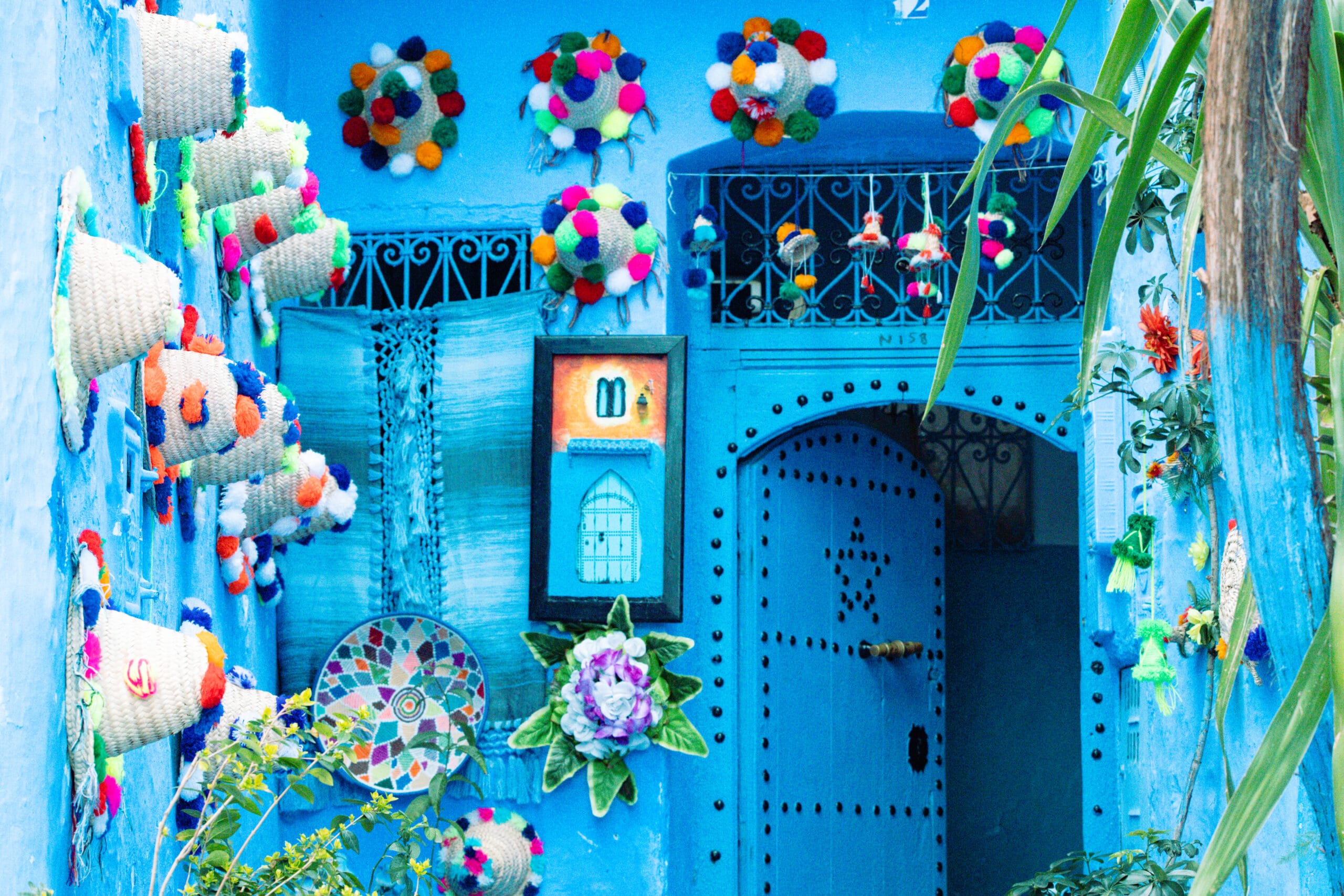
Chefchaouen’s most iconic feature is, of course, the city’s blue-painted buildings. This unique and photogenic aspect of the city is not just for aesthetics. It is said that the color blue is a natural mosquito repellent and that it reflects the city’s connection to the heavens. The contrast between the blue walls and the surrounding mountains and streets makes Chefchaouen one of the most Instagrammable places on earth. Whether you’re wandering the narrow streets of the medina, or simply sitting at a café, you’ll find the blue surroundings to be calming and inspiring.Incredible Photography Opportunities
For photographers, Chefchaouen offers an endless variety of shots. The blend of blue walls, winding alleyways, vibrant street markets, and mountain vistas provides a visual feast. Early morning or late afternoon is the best time to capture the soft, golden light that bathes the city, creating dramatic shadows against the vivid blue of the buildings. Every corner of the city offers something worth capturing, so be sure to bring your camera or smartphone.The Medina: A Step Back in Time
Chefchaouen’s medina is a maze of narrow, winding streets lined with shops, homes, and cafés. Unlike the larger cities of Morocco, the medina in Chefchaouen retains an intimate, small-town feel. Here, you can find local handicrafts, including woven blankets, carpets, and pottery. Strolling through the medina gives you a glimpse into daily life in Morocco, from locals shopping for produce to children playing in the streets. The calm atmosphere invites visitors to take their time and explore at a leisurely pace.Relax and Unwind in a Peaceful Setting
Chefchaouen is a city designed for relaxation. Unlike the more chaotic cities of Morocco, Chefchaouen is tranquil and free of the overwhelming noise that characterizes urban life in larger cities. You can spend your days wandering the streets, sitting in a café, or hiking in the surrounding mountains. The city’s peaceful ambiance, combined with its stunning natural beauty, makes it the perfect place to unwind.Hiking in the Rif Mountains
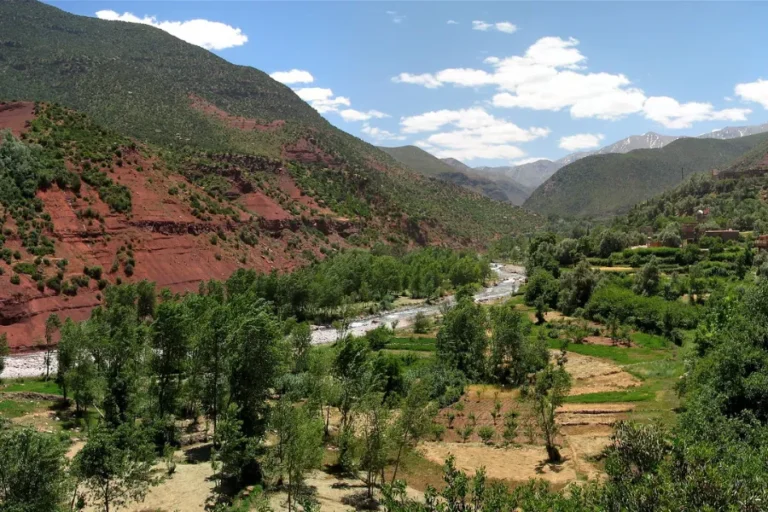
Chefchaouen is surrounded by the Rif Mountains, offering numerous hiking opportunities for those seeking adventure. One of the most popular hikes is up to the Spanish Mosque, which sits on a hill overlooking the city. The trek offers stunning views of Chefchaouen’s blue buildings and the lush valleys surrounding the city. The hike is relatively easy and takes about 45 minutes, but the views are well worth the effort.
For more experienced hikers, there are longer treks into the mountains that can take you through remote villages and picturesque landscapes. The Rif Mountains are known for their natural beauty, and trekking through them provides a chance to experience rural Moroccan life and spectacular vistas.
Local Cuisine: A Flavorful Experience
Moroccan food is a rich fusion of flavors, and Chefchaouen is no exception. You can find local dishes such as tagine, couscous, and pastilla at restaurants and street vendors around the city. One of the specialties in Chefchaouen is b’ssara, a hearty fava bean soup that is perfect for cooler days. Don’t forget to try mint tea, a staple of Moroccan hospitality, at a local café while you take in the sights.A Hub for Artisan Crafts
Chefchaouen is known for its handmade artisan goods, which are often sold in the medina. You can find beautiful woolen rugs, woven shawls, leather goods, and hand-painted pottery. If you’re looking for a unique souvenir, Chefchaouen is the place to buy one-of-a-kind, handcrafted items. The quality of the products here is typically higher than in the larger cities, and you’re supporting local artisans by making a purchase.
How to Get to Chefchaouen
Chefchaouen is located in the Rif Mountains, making it a bit off the beaten path compared to other Moroccan cities. However, its accessibility has improved in recent years. The easiest way to get to Chefchaouen is by bus or private car from major cities like Tangier, Fes, or Casablanca.
By Bus: You can take a bus from Tangier (about 2-3 hours) or Fes (approximately 4-5 hours) directly to Chefchaouen. There are also buses from Marrakech, though this takes much longer (approximately 7-8 hours).
By Private Car: Renting a car gives you more flexibility and allows you to enjoy the scenic drive through the Rif Mountains. The roads are well-paved, but be prepared for some winding, uphill stretches as you approach the city.
By Taxi: Shared taxis, known as “grand taxis,” are a common way to travel between cities in Morocco. They are a bit more expensive than buses but offer a more private experience.
When to Visit Chefchaouen
Chefchaouen is a year-round destination, but the best time to visit is during the spring (March to May) and fall (September to November) when the weather is mild. The summer months can get quite hot, particularly in the afternoons, but the higher altitude of the Rif Mountains provides some respite.
Final Thoughts: Why Chefchaouen Should Be on Your Travel List
Chefchaouen’s stunning blue walls, serene atmosphere, and breathtaking surroundings make it one of Morocco’s most unforgettable destinations. Whether you’re seeking history, culture, photography opportunities, or simply a peaceful retreat, Chefchaouen offers it all. Its combination of natural beauty, traditional architecture, and warm hospitality will make your visit one to remember for years to come. Don’t miss out on this unique and picturesque gem in northern Morocco—it’s truly the Blue City in every sense of the word