Your Ultimate Packing Guide for Morocco: The Perfect Checklist for 2026
Morocco seduces travelers like few places on Earth—a sensory overload where ancient medinas collide with Atlantic surf breaks, where Saharan dunes meet snow-capped Atlas peaks, and where a single day might take you from haggling over carpets in Marrakech to sipping mint tea with Berber nomads. After spending months crisscrossing this North African jewel and making every packing mistake imaginable (yes, I brought hiking boots to the beach towns and flip-flops to the mountains), I’ve learned that what you pack can make or break your Moroccan adventure.
Packing for Morocco isn’t just about throwing clothes in a bag. It’s about understanding a country where conservative Islamic traditions blend with French colonial influences, where desert heat gives way to mountain chill, and where your wardrobe choices can open doors—or close them. I’ve watched tourists struggle through souks in inappropriate clothing, seen backpackers shiver in unexpected Atlas snowstorms, and witnessed the magic that happens when you’re properly equipped for whatever Morocco throws your way.
The Morocco Climate Puzzle: Why Your Packing Strategy Matters
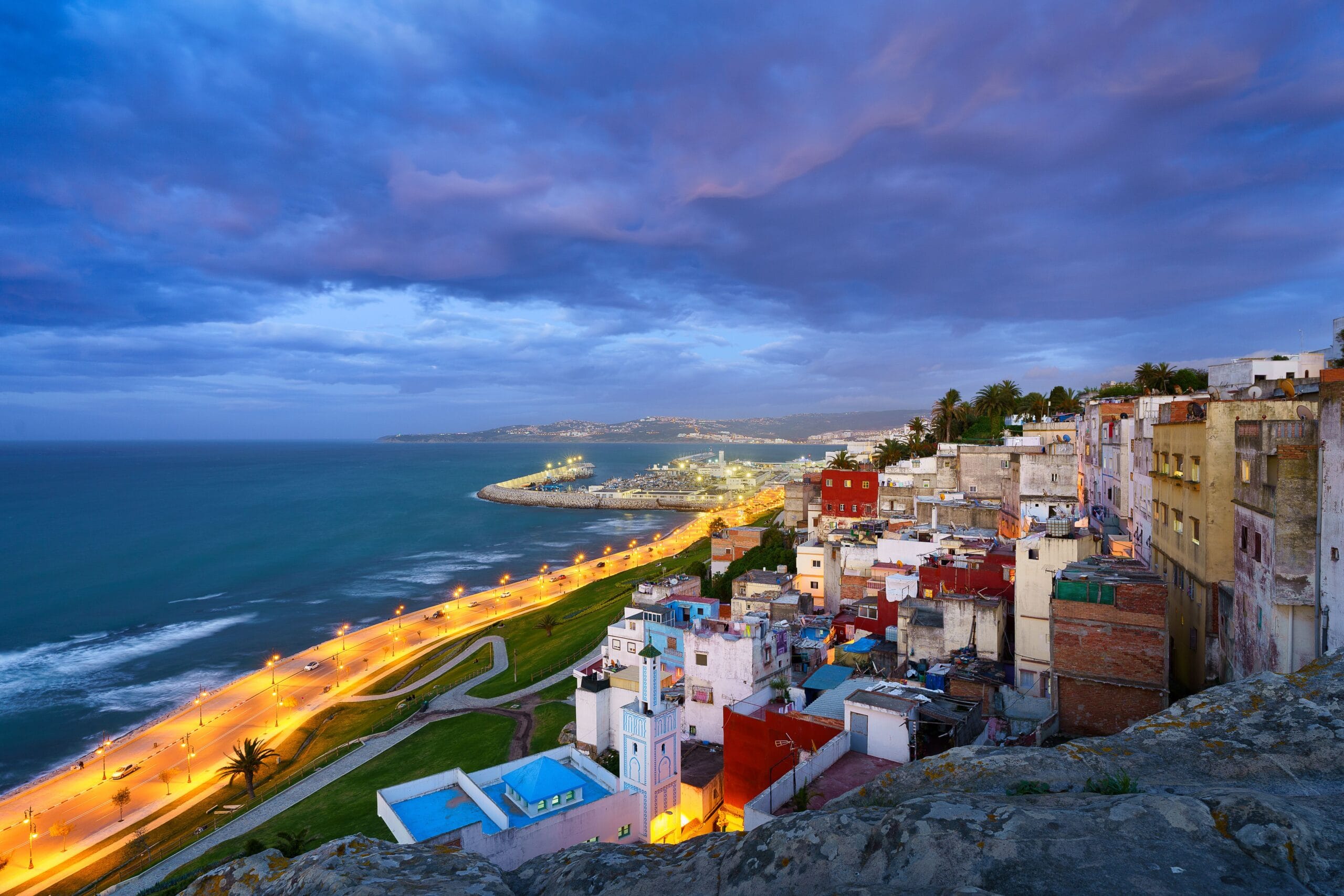
Morocco’s geography reads like a traveler’s fever dream. You’ve got Mediterranean coastline in the north, Atlantic beaches stretching down the west, the Sahara dominating the southeast, and the Atlas Mountains cutting through the middle like a rocky spine. This means you could theoretically need a swimsuit and a down jacket in the same trip—and I’m not exaggerating.
During my first visit in March, I made the rookie error of assuming “Africa equals hot.” Cut to me buying an overpriced knockoff North Face jacket in Imlil because I hadn’t packed for snow at altitude. The shopkeeper, sensing my desperation, charged me triple the going rate while offering helpful commentary about unprepared tourists. Lesson learned.
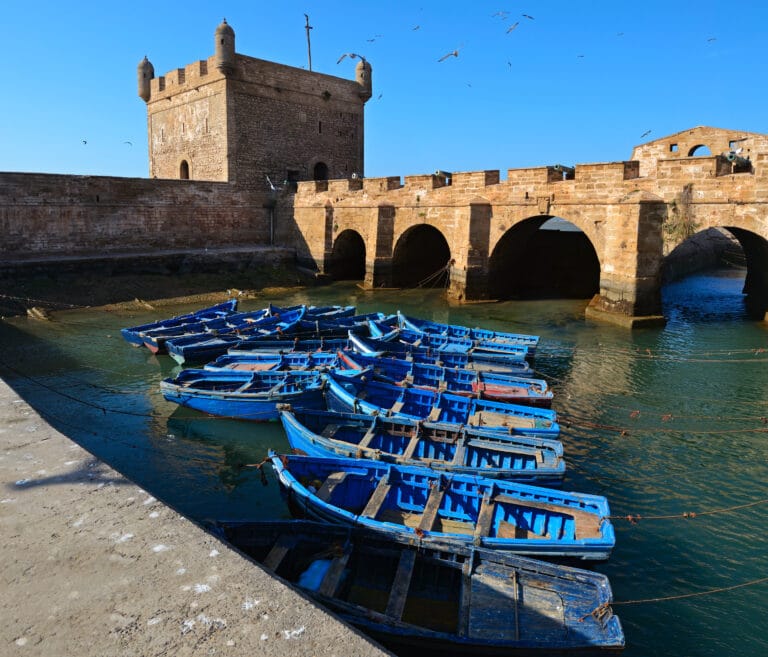
The coastal cities like Casablanca and Essaouira maintain relatively mild temperatures year-round, though the Atlantic breeze can turn chilly after sunset. Head inland to Marrakech or Fes, and you’re dealing with proper continental climate—scorching summers that’ll have you seeking shade by 10 AM and winters that demand layers. Then there’s the Sahara, where daytime temperatures can hit 45°C (113°F) in summer, only to plummet near freezing at night. I once watched a German couple arrive at a desert camp in shorts and tank tops, only to spend the evening huddled around the fire in borrowed djellabas.
Cultural Considerations: Dressing for Respect and Connection
Here’s something the generic packing lists won’t tell you: how you dress in Morocco directly impacts the quality of your interactions with locals. This isn’t about conforming to someone else’s standards—it’s about showing respect and, frankly, making your life easier.
Morocco occupies this fascinating middle ground between conservative and cosmopolitan. In Marrakech’s Gueliz neighborhood or Casablanca’s beachfront, you’ll see Moroccan women in everything from hijabs to miniskirts. But venture into the medina or rural areas, and the social fabric tightens considerably. I’ve noticed that when I dress more conservatively, shopkeepers quote fairer prices, families are more welcoming, and I spend less time fending off unwanted attention.
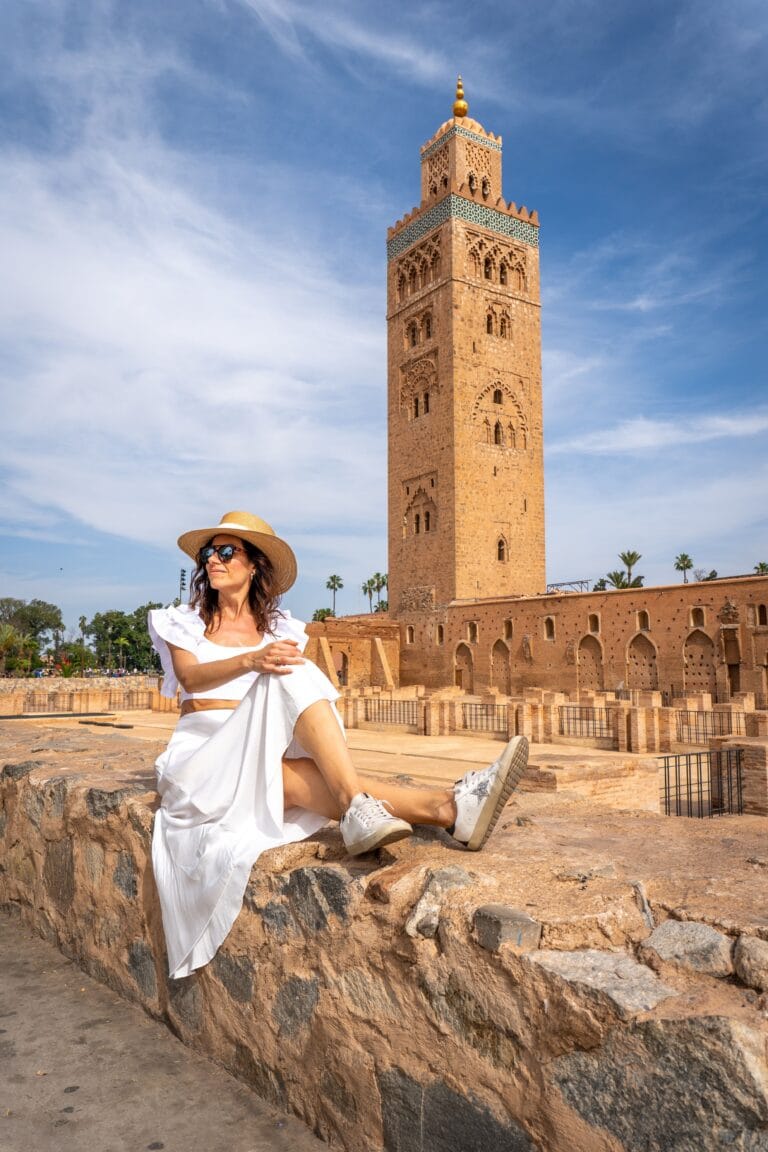
For women especially, this means thinking strategically about clothing choices. My friend Sarah, a solo traveler who’s spent years exploring Morocco, swears by what she calls the “chameleon approach”—packing versatile pieces that can be dressed up or down depending on the context. A lightweight scarf becomes a head covering in conservative areas, a beach sarong in Essaouira, or a shawl for chilly desert evenings.
Men have it easier, but not by much. Those board shorts that work fine in Bali? They’ll mark you as a tourist faster than a fanny pack. Moroccan men, even in casual settings, tend to dress with a certain formality. Long pants and shirts with sleeves aren’t just about respect—they’re about blending in enough to experience the country beyond the tourist bubble.
The Essential Clothing Arsenal
After countless trips and more packing experiments than I care to admit, I’ve developed what I call the “Morocco capsule wardrobe”—versatile pieces that work across multiple contexts and climates.
Let’s start with the foundation: breathable, quick-dry fabrics are your best friend. Cotton feels great until you’re sweating through the Fes medina in August, then it becomes a soggy nightmare. I learned this the hard way during a particularly brutal summer trip when my cotton t-shirts never fully dried between wearings. Now I stick to merino wool (expensive but worth it) or high-quality synthetic blends that wick moisture and dry overnight.
For women, loose-fitting pants or long skirts work everywhere. I’m partial to those convertible hiking pants that zip off into shorts—not because I’ll wear them as shorts in public, but because they’re perfect for hotel rooms or riads where you can relax in private. Pair these with tunics or loose button-downs that cover your arms and backside. The key is finding that sweet spot between comfort and coverage.
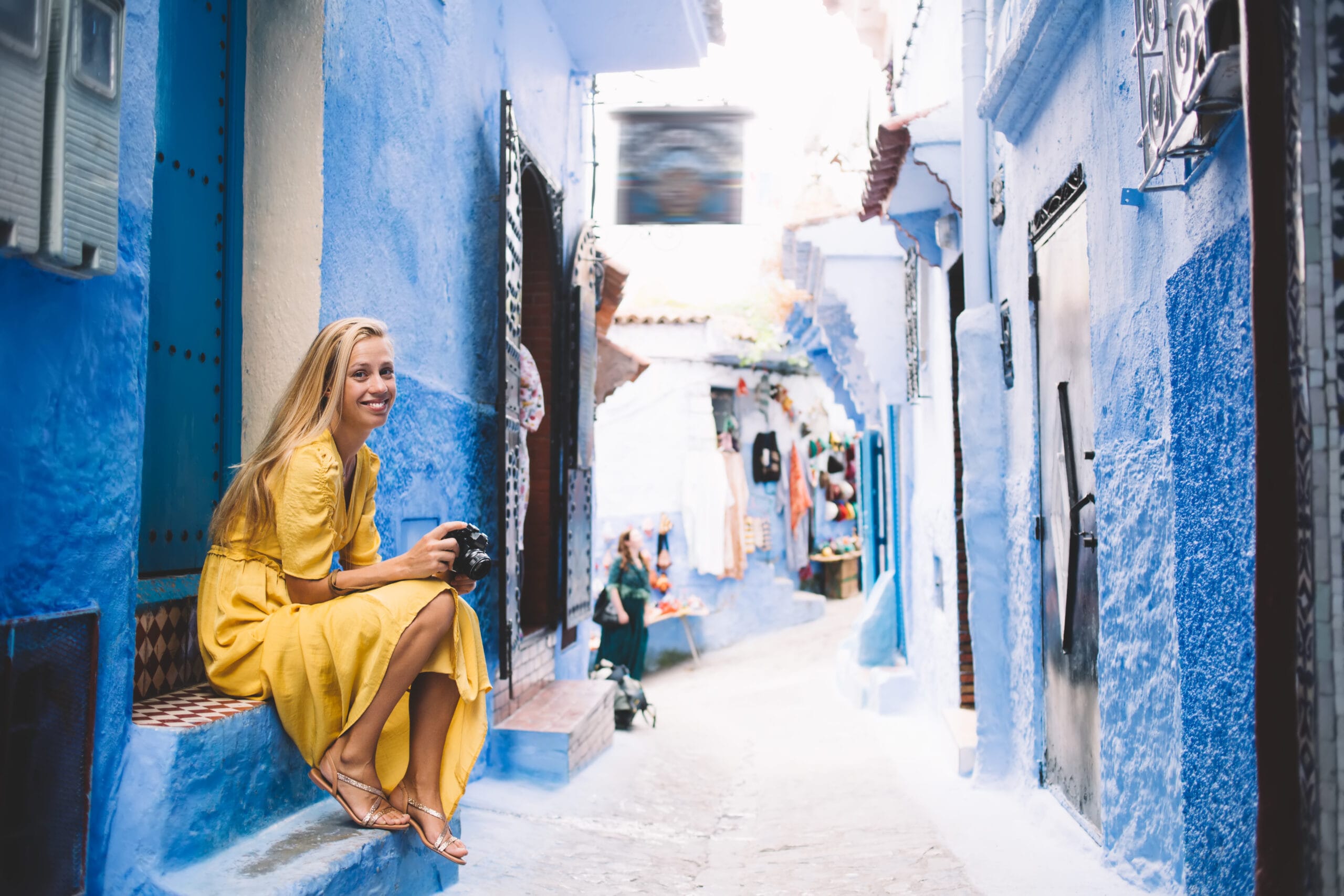
One game-changer I discovered: the traditional Moroccan djellaba. Buy one early in your trip (they’re cheaper outside tourist areas), and you’ve got an instant outfit that’s culturally appropriate, comfortable in heat, and warm enough for cool evenings. Plus, wearing local dress opens conversational doors—I’ve had some of my best interactions with Moroccans while wearing my navy blue djellaba, purchased from a tailor in Chefchaouen who insisted on serving me tea while hemming it to the proper length.
Don’t forget a light jacket or fleece, even in summer. Mountain towns get cold, air-conditioned buses can be arctic, and desert nights defy all logic with their temperature drops. I keep a packable down jacket in my bag year-round—it weighs nothing and has saved me from hypothermia more times than I can count.
Footwear: The Foundation of Moroccan Exploration
If there’s one area where I see travelers consistently mess up, it’s footwear. Those pristine white sneakers? They’ll be brown within hours of hitting Moroccan streets. Those cute sandals? Good luck navigating cobblestones slick with centuries of foot traffic.
You need shoes that can handle everything from sandy beaches to rocky mountain trails to medina streets that haven’t seen maintenance since the Almohad dynasty. I’ve settled on a three-shoe system that covers all bases: sturdy walking shoes (I prefer trail runners over hiking boots for their versatility), comfortable sandals with ankle straps (Tevas or similar), and something easy to slip on and off for mosque visits and riad lounging.
A word about those medina streets: they’re rough. Not just uneven—we’re talking missing cobblestones, unexpected steps, suspicious puddles, and surfaces polished smooth by centuries of footfall. I once watched a woman in platform sandals take a spectacular tumble near the tanneries in Fes. The locals helped her up with practiced efficiency that suggested this wasn’t an uncommon occurrence.
For desert excursions, closed-toe shoes are non-negotiable. Sand gets everywhere, and I mean everywhere. Those romantic images of barefoot desert walks? They don’t show the scorching sand temperatures or the surprisingly sharp debris hidden beneath the surface. Save the barefoot frolicking for your riad’s rooftop terrace.
The Toiletry Conundrum: Navigating Moroccan Bathrooms
Moroccan bathroom situations run the gamut from luxurious riad marble to squat toilets that’ll test your quad strength. Packing the right toiletries isn’t just about personal hygiene—it’s about being prepared for whatever facilities you encounter.
First rule: always carry toilet paper. Always. Even nice restaurants might run out, and public facilities rarely provide it. I keep a roll in my daypack, along with hand sanitizer and wet wipes. This isn’t paranoia—it’s learned behavior from too many desperate situations.
Sunscreen is non-negotiable, but here’s the catch: good sunscreen in Morocco costs a fortune. I once paid 300 dirhams (about $30) for a small tube of SPF 50 in Marrakech. Pack enough from home, and go for high SPF—the North African sun doesn’t mess around. I learned this lesson on my nose, which peeled like a snake despite what I thought was adequate protection.
For women, tampons can be surprisingly hard to find outside major cities. Pads are available everywhere, but if you have specific preferences, pack accordingly. The same goes for any specialized toiletries—contact lens solution, specific medications, that one face wash that keeps your skin from revolting. Morocco has pharmacies everywhere, but they might not stock your exact brand of whatever.
One unexpected essential: lip balm with SPF. Between the sun, wind, and dry air, your lips will thank you. I go through tubes of the stuff, especially during desert trips where the air seems to suck moisture from your body like a vampire.
Tech and Electronics: Staying Connected in the Kingdom
Morocco’s relationship with technology is delightfully contradictory. You’ll find WiFi in the most remote desert camps, but power outages in major cities. Your riad might have faster internet than your home, but good luck finding a working ATM when you need one.
Pack a universal adapter—Morocco uses Type C and E plugs, but I’ve encountered everything from ancient two-prong outlets to suspicious-looking electrical situations that required creative solutions. A power bank is essential, especially for long travel days or desert excursions where charging opportunities are limited.
Here’s something most packing lists miss: a headlamp or small flashlight. Not just for camping—you’ll need it for early morning calls to prayer, navigating dark riad stairways, and those inevitable power outages. Plus, many medina streets lack adequate lighting. I once spent 20 minutes trying to find my riad door in the dark, saved only by a kind neighbor with a candle.
For photography enthusiasts, Morocco presents unique challenges. The dust gets into everything, so bring lens cleaning supplies and consider a weather-sealed camera if you have one. Also, be prepared for photography restrictions—many Moroccans, especially in rural areas, don’t appreciate being photographed without permission. I’ve seen tourists get into heated confrontations over unauthorized photos. When in doubt, ask first, and respect a “no.”
The Day Pack: Your Mobile Command Center
Your choice of day pack can make or break your Moroccan experience. You need something secure enough to deter pickpockets, comfortable enough for all-day wear, and versatile enough to transition from medina exploration to mountain hiking.
I’ve evolved from a bulky backpack to a cross-body bag that I can swing to my front in crowds. The key features: lockable zippers, slash-proof straps (yes, they’re worth it), and multiple compartments for organization. Inside, I keep what I call my “Morocco survival kit”: toilet paper, hand sanitizer, sunscreen, lip balm, a scarf (endless uses), water bottle, snacks, and small bills for tips and purchases.
Water deserves its own mention. Tap water in Morocco isn’t safe for most foreign stomachs, so you’ll be buying bottled water constantly. I pack a reusable bottle with a built-in filter—it’s saved me money and reduced my plastic waste significantly. Just be cautious about refilling from public fountains, even filtered.
Money Matters: Cash is Still King
Despite increasing modernization, Morocco remains largely a cash economy. Sure, major hotels and restaurants in big cities accept cards, but that carpet seller in the souk? That grand taxi driver? That mountain guesthouse? They want dirhams, preferably in small bills.
I’ve learned to pack multiple methods of accessing money: a debit card for ATM withdrawals, a credit card for emergencies, and a stash of euros or dollars for exchange. Pro tip: bring crisp, new bills for exchange—money changers can be surprisingly picky about bill condition.
A money belt might feel like overkill, but I’ve found it invaluable for storing passport copies, emergency cash, and important documents. The peace of mind alone is worth the minor discomfort. Just don’t be that tourist fumbling with their money belt in public—that defeats the entire purpose.
Health and Safety Essentials
Morocco is generally safe for travelers, but a few health precautions can prevent your trip from becoming a bathroom tour. Pack a solid first-aid kit with the basics, plus stomach medications (Imodium is your friend), rehydration salts, and any prescription medications you need.
The infamous “Marrakech belly” isn’t inevitable, but it’s common enough that you should be prepared. I’ve found that probiotics started a week before travel help, along with being cautious about raw vegetables, tap water (including ice), and street food hygiene. That said, some of my best meals have come from street stalls—just use common sense and look for busy places with high turnover.
Altitude sickness is a real concern if you’re planning Atlas Mountain adventures. Pack acetazolamide if you’re prone to altitude issues, and don’t underestimate those peaks—Toubkal reaches 4,167 meters, high enough to cause serious problems for unprepared hikers.
The Souvenir Strategy
Here’s a mistake I see constantly: travelers who pack their bags to capacity, leaving no room for the inevitable Moroccan shopping spree. Those carpets, ceramics, and leather goods aren’t just souvenirs—they’re an integral part of the Moroccan experience.
I now pack a collapsible duffel bag inside my main luggage. When the shopping fever strikes (and it will), I have overflow capacity without buying overpriced luggage from tourist shops. This strategy has saved me from many difficult packing decisions at trip’s end.
Consider shipping larger purchases home. Many reputable shops offer shipping services, and while it’s not cheap, it’s often more economical than excess baggage fees. Just get everything in writing and take photos of your purchases before shipping.
Seasonal Variations and Regional Considerations
Your packing list should shift dramatically based on when and where you’re traveling. Summer in the Sahara requires sun protection that borders on paranoid—long sleeves, wide-brimmed hats, and enough water capacity to hydrate a camel. Winter in the Atlas demands proper cold-weather gear—I’m talking thermal underwear, insulated jackets, and waterproof everything.
Coastal regions present their own challenges. The Atlantic coast can be surprisingly chilly and windy, even in summer. I once spent a July week in Essaouira wearing jeans and a jacket while German tourists shivered in their optimistic beachwear. Pack layers and windproof options.
Ramadan travel requires special consideration. While tourists aren’t expected to fast, eating, drinking, or smoking in public during daylight hours is deeply disrespectful. Pack snacks and water for discrete consumption in private, and consider the reduced restaurant availability when planning your days.
The Minimalist Approach vs. Preparedness
After years of Morocco travel, I’ve found my sweet spot between minimalist packing and Boy Scout preparedness. Yes, you can buy almost anything in Morocco, often cheaply. But there’s something to be said for having exactly what you need when you need it, especially when that need arises in a remote mountain village or during a sandstorm in the Sahara.
My philosophy: pack light on clothes (they’re cheap and fun to buy locally), but don’t skimp on specialty items like good walking shoes, technical gear, or personal care products you can’t live without. The goal is to be prepared without being burdened.
Remember, every extra kilogram is weight you’ll drag through sandy souks, up steep medina hills, and across train platforms. I’ve learned to ask myself: “Will not having this ruin my trip?” If the answer is no, it stays home.
Final Thoughts: Packing as Cultural Preparation
Packing for Morocco is really about preparing yourself for one of the world’s most intense, rewarding travel experiences. It’s about respecting local customs while maintaining your comfort, being ready for adventure while staying safe, and leaving room—both in your luggage and your mind—for the unexpected encounters that make Morocco magical.
I still make packing mistakes. Last trip, I forgot my favorite sun hat and ended up buying a traditional straw hat from a roadside vendor that became my favorite travel purchase ever. The vendor’s daughter decorated it with colorful ribbons while her father told me stories about his yearly migration with his sheep. These are the moments that matter, and they happen when you’re comfortable, appropriately dressed, and open to experience.
Pack thoughtfully, but don’t obsess. Morocco has a way of providing what you need, often in ways you never expected. That’s not just travel wisdom—it’s a life lesson I’ve learned from this endlessly surprising country. The perfect packing list isn’t about having everything; it’s about having enough to say yes to whatever adventures Morocco offers you.
World’s Most Authoritative Sources:
Lonely Planet Publications. Morocco. 13th ed., Lonely Planet, 2023.
Rough Guides. The Rough Guide to Morocco. 12th ed., Rough Guides, 2022.
U.S. Department of State. “Morocco International Travel Information.” Travel.State.Gov, Bureau of Consular Affairs, 2024.
World Health Organization. “Morocco – Traveler Health Information.” WHO.int, 2024.Morocco National Tourist Office. “Official Tourism Portal of Morocco.” VisitMorocco.com, 2024.
Hardy, Paula, et al. DK Eyewitness Morocco. Revised ed., DK Eyewitness Travel, 2022.